
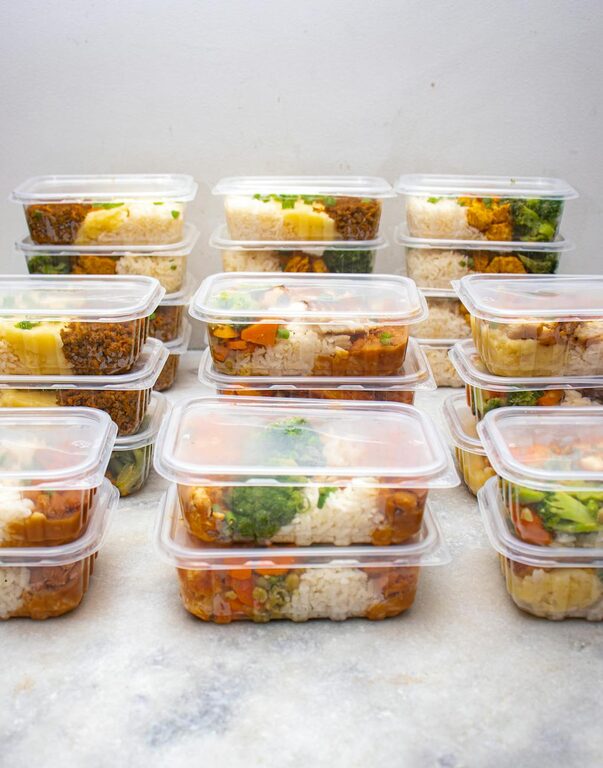
Eating well is a key part of staying healthy and feeling your best. However, planning balanced meals every day can sometimes feel overwhelming or stressful. Whether you’re juggling a busy schedule, managing a family, or just not sure where to start, there are simple ways to make meal planning easier and more enjoyable. In this guide, we’ll explore how to plan balanced meals without stress, so you can enjoy nutritious food without the hassle.
What Are Balanced Meals?
Before diving into how to plan balanced meals, it’s helpful to understand what they are. A balanced meal typically includes a mix of:
– Protein: Supports muscle repair and keeps you full (examples: chicken, beans, tofu).
– Carbohydrates: Provides energy (examples: whole grains, fruits, vegetables).
– Healthy Fats: Supports brain health and absorbs vitamins (examples: olive oil, nuts, avocado).
– Fruits and Vegetables: Packed with vitamins, minerals, and fiber for overall health.
– Fluids: Staying hydrated is also an important part of a balanced approach.
The goal is to create meals that provide nutrients in the right proportions to fuel your body and maintain energy throughout the day.
Step 1: Start With Simple Meal Frameworks
One of the best ways to reduce stress when planning meals is to use a basic framework. For example, the “plate method” divides your plate into sections:
– Half the plate filled with vegetables or salad
– One quarter with lean protein
– One quarter with whole grains or starchy vegetables
This visual can help you quickly put together balanced meals without overthinking.
Example Meal Frameworks
– Breakfast: Whole grain toast + scrambled eggs + fresh fruit
– Lunch: Mixed greens salad + grilled chicken + quinoa + vinaigrette
– Dinner: Baked salmon + steamed broccoli + brown rice
Step 2: Plan Ahead
Planning your meals in advance saves time and eliminates the “what should I eat?” dilemma.
Tips for Effective Meal Planning
– Choose a planning day: Sundays or any day that works for you to map out meals for the week.
– Use a template: Write down meals for each day or use a printable meal planner.
– Make a grocery list: Based on your planned meals, list all ingredients needed.
– Batch cook or prep: Prepare some ingredients ahead of time, such as chopping vegetables or cooking grains.
Step 3: Keep a Stocked Pantry
Keeping staple ingredients on hand helps you create balanced meals quickly and without extra shopping runs.
Pantry Essentials
– Whole grains (brown rice, oats, whole wheat pasta)
– Canned beans and lentils
– Canned tomatoes and sauces
– Cooking oils like olive or avocado oil
– Nuts, seeds, and dried fruits
– Basic spices and herbs
Fresh, frozen, and even some frozen vegetables and fruits are affordable and last longer, making them great options to keep available.
Step 4: Build Meals Around Your Favorite Foods
One way to make meal planning enjoyable is to include foods you love within a balanced framework. This keeps meals satisfying and less stressful because you look forward to eating them.
For example, if you love pasta, choose whole grain pasta and add plenty of vegetables and lean protein like grilled chicken or beans. If you enjoy stir-fry, focus on quick-cooking veggies, tofu or shrimp, and a light sauce.
Step 5: Use Leftovers Wisely
Leftovers can be a stress-free way to manage meals and reduce food waste.
– Turn cooked rice or quinoa into a salad with vegetables and protein.
– Use leftover grilled vegetables in wraps or sandwiches.
– Freeze portions of soups or stews for quick meals later.
Step 6: Make It Fun and Flexible
Meal planning doesn’t have to be rigid. Allow yourself room to swap meals, try new recipes, or eat out occasionally without guilt.
Additional Tips
– Experiment with new vegetables or spices to keep meals exciting.
– Invite family or friends to share meal ideas.
– Focus on progress, not perfection. Balanced eating is about consistent habits over time.
Sample Weekly Meal Plan for Beginners
| Day | Breakfast | Lunch | Dinner |
|———–|——————————-|——————————–|—————————–|
| Monday | Yogurt with berries & nuts | Turkey sandwich + salad | Grilled chicken + veggies + quinoa |
| Tuesday | Oatmeal with banana | Lentil soup + whole grain roll | Stir-fry tofu + mixed veggies + brown rice |
| Wednesday | Smoothie (spinach, fruit, yogurt) | Chickpea salad | Baked fish + roasted sweet potatoes + steamed greens |
| Thursday | Whole grain toast + avocado | Veggie wrap + hummus | Pasta with tomato sauce + side salad |
| Friday | Scrambled eggs + fruit | Leftover lentil soup | Homemade pizza with veggies and lean meat |
| Saturday | Pancakes + fresh fruit | Chicken salad | Veggie chili + cornbread |
| Sunday | Breakfast burrito (eggs, beans, veggies) | Quinoa bowl + roasted veggies | Roast vegetable medley + protein of choice |
—
Final Thoughts
Planning balanced meals doesn’t have to be complicated or stressful. By using simple frameworks, preparing ahead, and keeping your pantry stocked with essentials, you can create healthy, satisfying meals every day. Remember, enjoyment and flexibility are just as important as nutrition. Take small steps, try new ideas, and soon balanced eating will feel natural — and stress-free!
Happy meal planning!
