
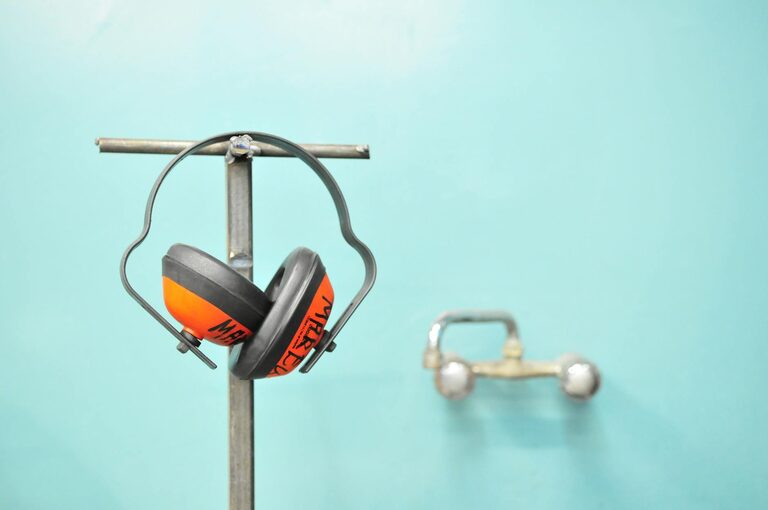
Creating a quiet and peaceful home environment can greatly improve your comfort and well-being. Whether you live in a busy city, a noisy neighborhood, or just want to reduce echoes within your house, there are several simple ways to reduce noise at home. This guide will walk you through practical tips and solutions to help you enjoy a calmer space.
Why Reducing Noise at Home Matters
Excess noise can affect your mood, concentration, and even sleep quality. Reducing noise not only enhances your comfort but also supports better relaxation and productivity. You don’t always need expensive equipment or renovations—often, small changes can make a big difference.
Identify the Sources of Noise
Before making changes, it’s helpful to understand where the noise is coming from:
– External noise: Traffic, neighbors, construction, or street sounds.
– Internal noise: Appliances, electronics, conversations, or echoes inside rooms.
Once you know your primary noise sources, you can apply targeted solutions.
Simple Ways to Reduce Noise Inside Your Home
1. Use Rugs and Carpets
Hard floors like wood or tile tend to reflect sound, causing echoes. Adding rugs or carpets can absorb noise and reduce sound transmission between floors.
– Choose thick, dense rugs for better sound absorption.
– Layer smaller rugs in noisy areas such as hallways or living rooms.
– Consider carpet padding underneath for additional noise blocking.
2. Add Soft Furnishings
Soft materials help absorb sound waves. Furnishing your rooms with curtains, cushions, and upholstered furniture can reduce echoes.
– Hang heavy curtains or blackout drapes on windows to block outside noise.
– Use fabric-covered cushions and throws on sofas and chairs.
– Consider upholstered headboards for bedrooms to create a quieter environment.
3. Seal Gaps and Cracks
Noise can sneak in through doors, windows, and wall gaps. Sealing these openings helps reduce unwanted sound.
– Install weatherstripping around doors and windows.
– Use door sweeps to close gaps under doors.
– Fill cracks in walls or around window frames with caulk or foam sealant.
4. Rearrange Furniture Strategically
Placing larger furniture along walls that face noisy areas can act as a buffer.
– Move bookshelves or wardrobes against walls exposed to outside noise.
– Create cozy reading corners away from noisy spots.
– Use furniture to break up spaces and reduce sound travel.
Addressing Outdoor Noise
5. Install Window Inserts or Double Glazing
Windows are often the weakest point against external sound.
– Double-glazed windows have two layers of glass with insulating air space and significantly reduce noise.
– Window inserts are an affordable alternative that fit inside existing windows to block sound.
– Ensure windows close tightly and consider thick curtains alongside.
6. Create a Green Barrier
Plants can help reduce noise by absorbing sound and blocking line of sight.
– Place tall potted plants near windows or balconies.
– Consider planting shrubs or trees along property lines if you have a garden.
– Use indoor plants in multiple rooms for aesthetic and acoustic benefits.
DIY Soundproofing Ideas
7. Hang Acoustic Panels or Fabric Art
Acoustic panels absorb sound waves and reduce echo.
– Install lightweight foam panels in rooms with hard surfaces.
– Mount decorative fabric or tapestry walls that soften noise while enhancing decor.
– Use cork boards or pressed fiberboard as budget-friendly alternatives.
8. Use Door and Window Covers
Thick covers help block noise when doors and windows can’t be replaced.
– Use quilted or soundproof curtains during noisy times.
– Cover doors with blankets or acoustic curtains temporarily.
– Consider sliding panels for large openings.
Maintaining a Quieter Home Environment
9. Manage Noise from Appliances
Some household appliances can generate unnecessary noise:
– Maintain and lubricate fans, air conditioners, and refrigerators to minimize sound.
– Place washing machines on vibration mats.
– Use quieter models when replacing appliances.
10. Establish Quiet Zones and Times
Set rules and routines to encourage peaceful times at home.
– Designate areas for quiet activities like reading or working.
– Turn off loud electronics when not in use.
– Communicate with family members about noise levels during rest periods.
Conclusion
Reducing noise at home doesn’t require major renovations. By combining simple changes like adding rugs, sealing gaps, and using soft furnishings, you can create a peaceful sanctuary. Identify your main noise sources, apply the right solutions, and enjoy a calmer, more relaxing living space every day.
Start with one or two small changes today, and notice how quieter surroundings improve your comfort and happiness.
